


There is good evidence that leading a meaningful life helps us work through tragedy and challenges more powerfully than if our lives lack meaning**.
It’s all very well to say this, but how do we create a meaningful life? Does it require us to have a religion, or passionate interest, or purpose? These can be helpful to people, but what matters most is to be able to consistently connect with what is meaningful in our daily lives. And because meaning comes and goes, it is a blessing to have access to a simple framework which helps us, every day if we want to use it that way, to connect, and reconnect with what really matters.
The Map of Meaning* helps you focus on the small things that can transform a day from something boring, to something deeply satisfying. And so often we can make these transformations with tiny steps: asking a friend to have a meal; going out into nature for a walk in a place we find nourishing; doing something creative; completing a task – especially one that is challenging. Our mood lifts and life feels just so much richer and more satisfying.
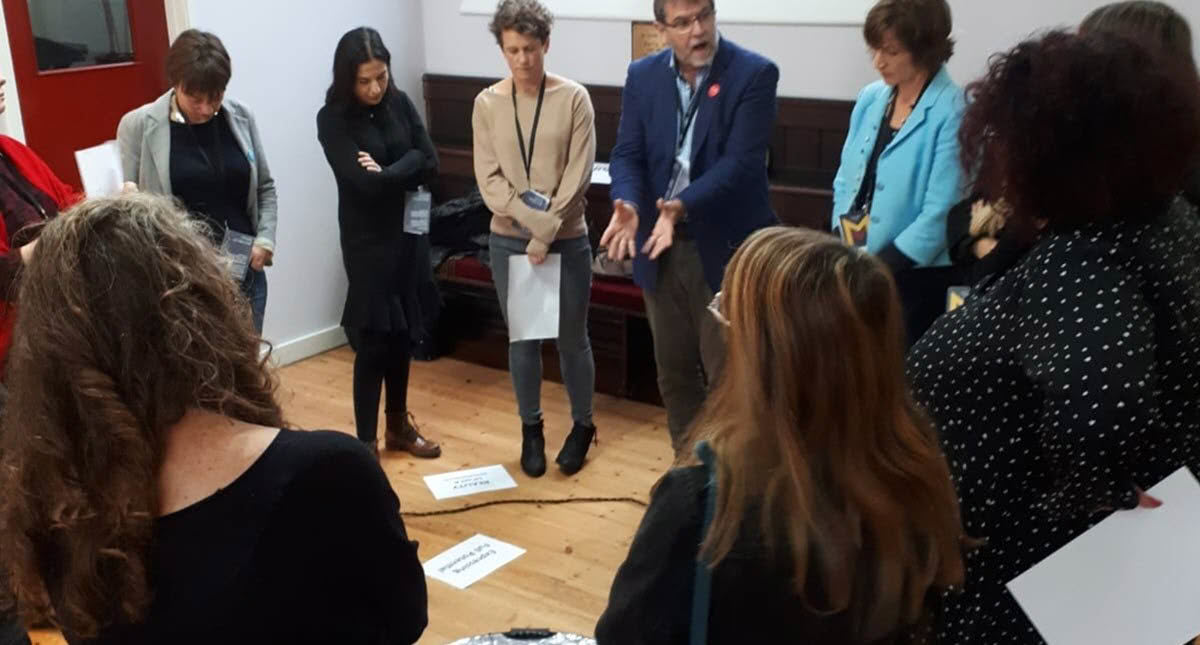
Occupational Pyschologist Christine Hamilton, and Lani Morris, global authority on the Map of Meaning® have designed a thought provoking and practical course, where participants explore these options through the question, what will make our retirement most meaningful?
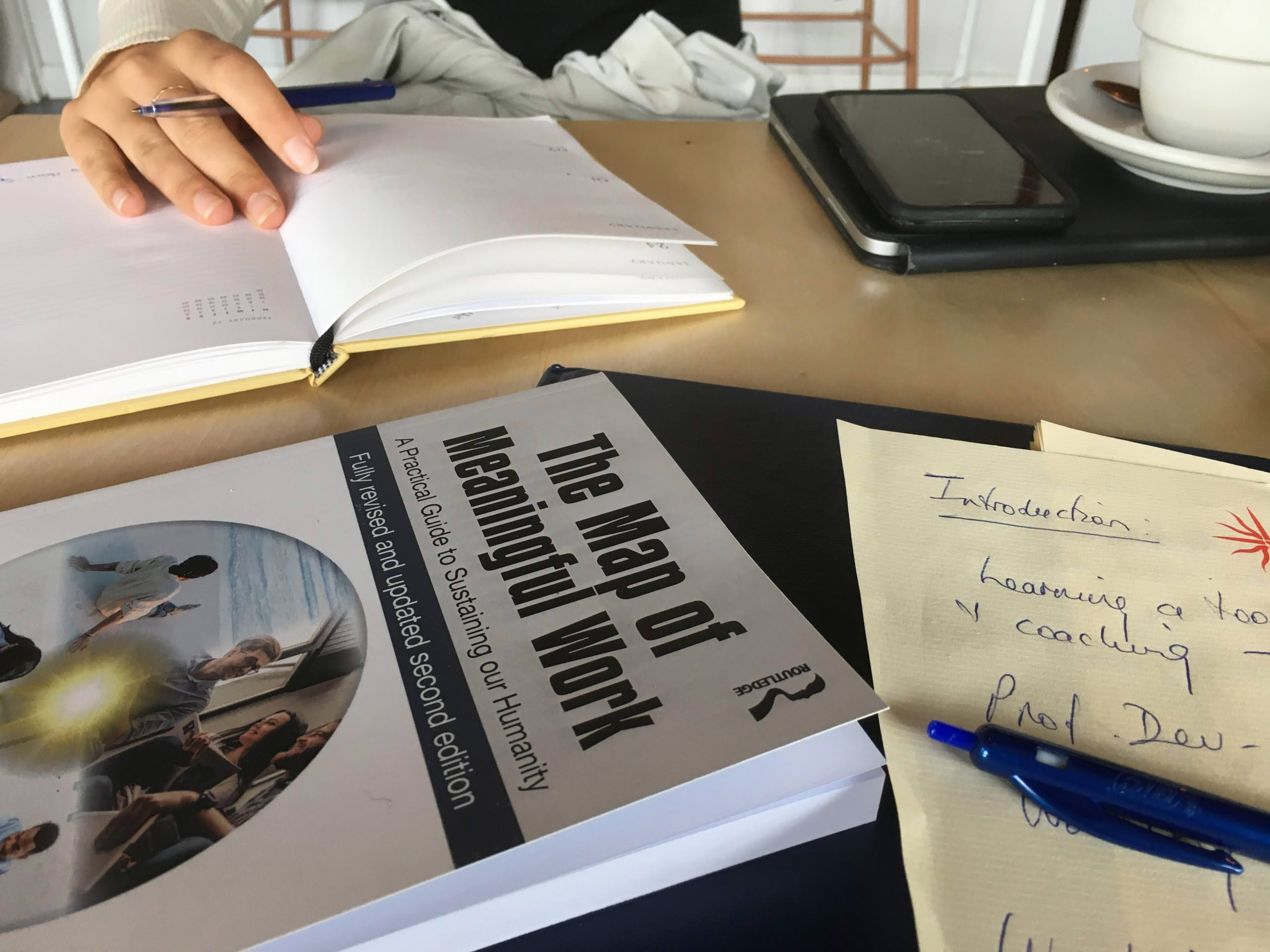
The Map of Meaning®, is a simple framework that helps ordinary people make sense of their lives and helps us see what really matters to us. This, like any map, helps us take action to go in directions that we want.
It also helps us navigate when we come across obstacles, the things we don’t want. The course will help you get clear on what you want to create, and give you a way to keep creating meaning in the years ahead.
The course program is made up of five sessions
Session One: We begin with looking at the reality of retirement – what are our current situation, assets, challenges, and also at our fears and hopes for this period of our lives. How we might prepare ourselves for this major change and plan it effectively.
Session Two: In this session we take a deep dive into what we really want for ourselves and begin to see how the Map of Meaning can guide us in our decisions. And how we can begin to disengage from our past in order to make room for our new future.
Session Three: In this session we explore what we need to do to feel as safe as possible as we take new steps into the unknown, and explore the hunches, roads not taken, flashes of inspiration and sources of excitement that may lead to our new life.
Session Four: As we step forward we need to draw on all the skills we have, and we also identify some skills we may want to develop. And we think about who we might choose to have as companions in the adventures ahead. What support do we really want and need and how do we ask for it?
Session Five: We end with a sense of standing strongly in ourselves, looking towards a future that might be unknown, but which we feel confident we can move towards creating. We create the plans and practical structures that can support us going forward.
Click here to find out when the next “Creating a Meaningful Retirement Course” is.
** See article on “Meaningful Life in Retirement” by Ariane Froidevaux1 and Ivana Igic2 1University of Texas at Arlington, United States; 2 Military Academy (MILAC) at ETH Zurich, Switzerland
And “Association Between Life Purpose and Mortality Among US Adults Older Than 50 Years”
Aliya Alimujiang, MPH; Ashley Wiensch, MPH; Jonathan Boss, MS; Nancy L. Fleischer, PhD, MPH; Alison M. Mondul, PhD, MPH; Karen McLean, MD, PhD; Bhramar Mukherjee, PhD; Celeste Leigh Pearce, PhD, MPH




 EN
EN  FR
FR  NL
NL